
Skincare and Fertility: 5 Ingredients I’d Avoid If I Did IVF Again
Share
As someone who underwent IVF a few years ago, just before Obvs Skincare existed (read the story here), I’ve learnt that skincare isn’t just surface-level. When you’re navigating hormones, egg quality, implantation, and all the tiny steps between, every little factor you can control is worth attention, including what you put on your skin.
Even if the evidence in humans is still emerging, there’s consistent scientific concern around certain chemicals in cosmetics and personal care products that can interfere with the endocrine system and reproductive physiology. These are sometimes called endocrine-disrupting chemicals (EDCs) they mimic or block natural hormones and can affect ovulation, implantation and IVF outcomes. Read more here.
Below I break down the top five ingredients I’d personally avoid if I did IVF again, what they are, why they’re commonly used, and how they may influence fertility.
1. Phthalates (often hidden under “fragrance”)
What they are: Plasticising chemicals used to make fragrances last longer and help formulations spread. Examples include DEP, DBP and DEHP.
Why they’re used: Extend fragrance longevity and improve product texture.
Why I’d avoid them during IVF: Phthalates are well-studied endocrine disruptors. Research shows exposure can affect ovarian function, follicle development, and reduce chances of implantation or live birth during IVF. Study reference
2. Parabens (methyl-, propyl-, butyl-)
What they are: Preservatives used to prevent microbial growth and extend shelf life.
Why they’re used: Cheap, effective, and ubiquitous in skincare.
Why I’d avoid them during IVF: Parabens mimic oestrogen activity. Studies have detected them in urine and linked higher exposure to altered hormone levels, irregular cycles, and reduced ovarian reserve. Read more
3. Oxybenzone & Certain Chemical Sunscreen Filters
What they are: UV filters commonly found in sunscreen, lip balm, and daily SPF products.
Why they’re used: Strong UVA/UVB protection, easy to formulate with.
Why I’d avoid them during IVF: Oxybenzone is absorbed through the skin and can mimic or interfere with oestrogen and thyroid signalling. Mineral alternatives like zinc oxide and titanium dioxide are safer during fertility treatment. More info
4. Synthetic Fragrance / Parfum
What it is: Often a cocktail of undisclosed chemicals, sometimes hundreds in one product.
Why it’s used: Creates a scent identity, masks raw odours, and makes products feel luxurious.
Why I’d avoid it during IVF: Some fragrance components are endocrine disruptors and can irritate skin. IVF made my skin reactive; fragrance amplified that. Clinics even ask patients not to wear perfume or deodorant on egg retrieval or transfer days. Volatile compounds can affect embryology lab air quality. Science behind it
5. Ethoxylated Ingredients & PEG Derivatives
What they are: Surfactants and emulsifiers like PEGs, Laureth-4 that make creams feel smooth and help oils and water mix.
Why they’re used: Improve texture, lather, and absorption of actives.
Why I’d avoid them during IVF: Manufacturing can leave traces of 1,4-dioxane, a probable human carcinogen and suspected endocrine disruptor. Limiting exposure to potential disruptors makes sense when fertility is your focus. Study reference
A Personal Note
I’m not here to scare anyone. The absolute risk from a single product with one of these ingredients is likely low. But IVF can feel like handing over control to science and then asking yourself what else can I control? That’s where ingredient-conscious skincare comes in.
Swapping out products that contain these chemicals for gentler, fertility-friendly alternatives isn’t about perfection; it’s about reducing unnecessary variables when preparing your body for something as precise as IVF.
Shop IVF-Friendly Skincare
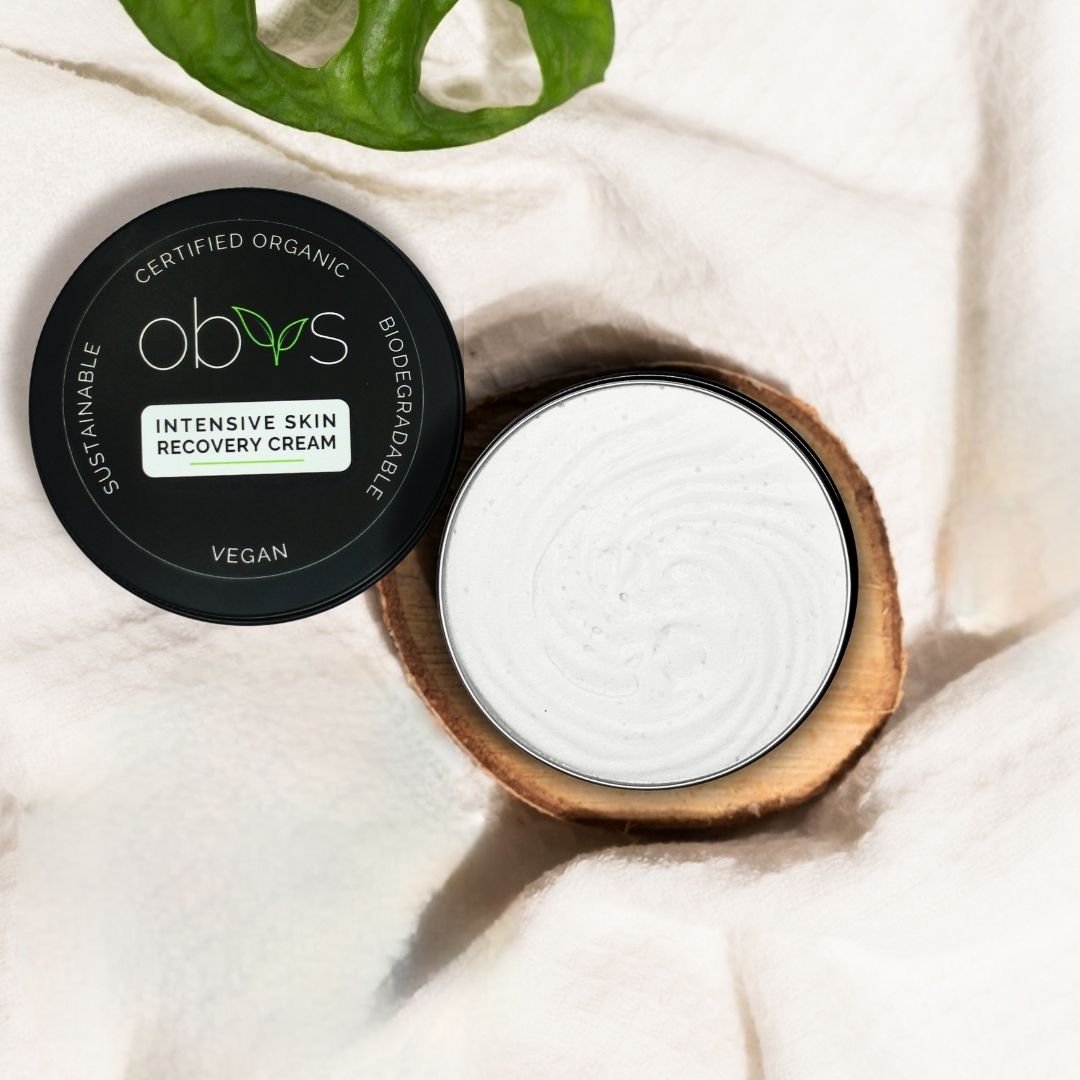
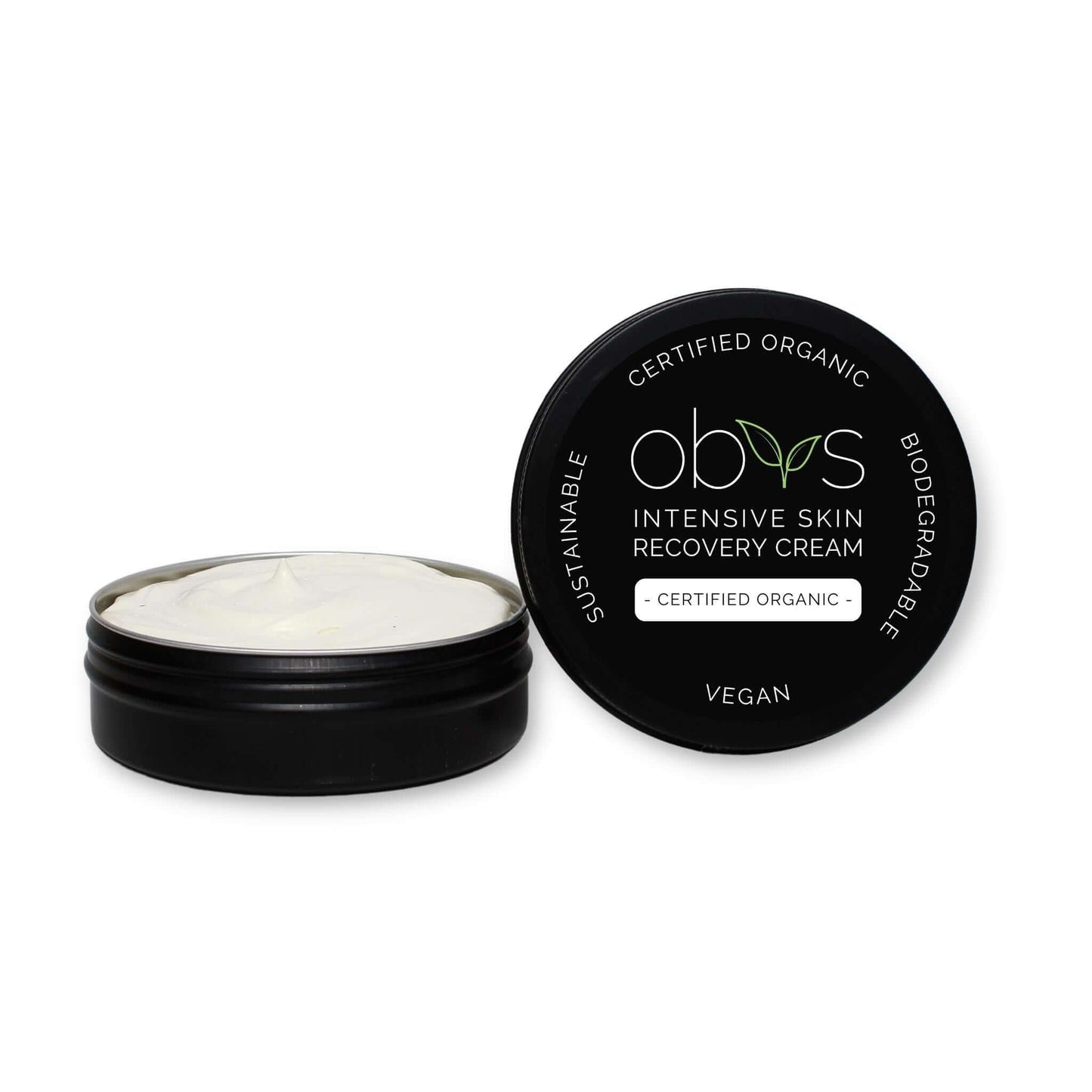
At Obvs Skincare, I formulate without parabens, phthalates, synthetic fragrance, oxybenzone filters, or ethoxylated surfactants. My products support hormonal acne, sensitive skin, and fertility-conscious routines, delivering performance without endocrine-disrupting risks.
👉 Shop IVF-friendly skincare here
References
- Effects of endocrine-disrupting compounds on female fertility (ScienceDirect)
- Associations between EDC exposure and fertility outcomes (PubMed)
- Phthalates and reproductive effects in females (Springer)
- Parabens and reproductive hormone disruption (Springer)
- Endocrine disruptors in cosmetics (Dr Ryu Natural Medicine)
- Volatile compounds and IVF lab safety (TuttoFare)