
Skincare Ingredients to Avoid: Is Dimethicone a Microplastic? Why I Choose Organic Arrowroot Powder Instead
Share
Have you ever applied an expensive face cream and been impressed by how silky, smooth and almost impossibly soft your skin feels afterwards?
You might assume that this luxurious sensation is down to some extraordinary ingredient that justifies the price tag, but there is a good chance it is partly down to a synthetic silicone called dimethicone. Found in everything from affordable supermarket moisturisers to luxury skincare costing hundreds of pounds, dimethicone is a firm favourite within the cosmetics industry. It is also classified as a microplastic ingredient by the Plastic Soup Foundation's international Beat the Microbead campaign.
Meanwhile, scientists are discovering microplastics in human blood, placentas, lungs and even brain tissue. As a skincare formulator with a postgraduate background in research methods, I find these developments concerning. They are among the reasons I take a precautionary approach when selecting the ingredients I formulate with. I could quite easily incorporate dimethicone into my skincare, but I choose organic arrowroot powder instead. It allows me to achieve some of the sensory qualities people expect from luxury skincare whilst remaining true to my commitment to organic ingredients and environmental responsibility.
What Is Dimethicone in Skincare?
Dimethicone, scientifically known as polydimethylsiloxane (PDMS), is an industrially manufactured silicone polymer. Its chemical structure consists of repeating silicon and oxygen atoms with attached methyl groups. Manufacturers can control the length of these polymer chains to produce silicone fluids with different viscosities and characteristics, making dimethicone an incredibly versatile ingredient.
You will find it in facial moisturisers, anti-ageing creams, makeup primers, foundations, sunscreens, body lotions, hair conditioners and countless other personal care products. It improves spreadability, reduces friction, creates a silky texture and forms a protective film on the skin that can help reduce moisture loss.
From a formulation perspective, I completely understand its appeal. It is widely available, commercially accessible and effective at improving the sensory experience of a product. That luxurious, velvety finish you associate with a £150 face cream can be achieved using some of the same functional ingredients found in a £5 moisturiser. The beauty industry understands how strongly texture influences our perception of quality, and dimethicone is particularly useful in creating that impression.
My preference is to achieve the textures I want using carefully selected organic ingredients, and the reasons extend to what happens long after we have washed our skincare off.
Is Dimethicone a Microplastic?
According to the Plastic Soup Foundation's Beat the Microbead campaign, dimethicone is classified as a microplastic ingredient and appears on its Red List.[1] When most people hear the word microplastic, they imagine tiny fragments of plastic bottles, synthetic clothing fibres or the plastic exfoliating beads that were once commonly found in facial scrubs. However, the conversation surrounding synthetic polymers in cosmetics is considerably more complicated.
Synthetic polymers can exist in liquid, gel and solid forms. Beat the Microbead takes a broad environmental approach to identifying these ingredients, considering concerns surrounding their persistence and environmental impact. The European Union's legal restriction on intentionally added microplastics, introduced in 2023, focuses specifically on solid synthetic polymer microparticles. Conventional liquid dimethicone generally falls outside this narrower legal definition.[2]
This explains why you might find conflicting answers when researching whether dimethicone is a microplastic. Personally, I support the broader, precautionary approach taken by Beat the Microbead. The exclusion of an ingredient from a particular legal definition does very little to answer my questions about its long-term environmental impact. I want to understand where an ingredient comes from, how it behaves after entering our wastewater systems and whether a suitable renewable alternative exists.
Microplastics Have Been Found Inside the Human Body
One of my greatest concerns surrounding plastic pollution is the growing body of scientific research investigating its presence within the human body. For years, microplastics were predominantly discussed in relation to polluted oceans, marine wildlife and environmental damage. We are now beginning to understand the extent of human exposure, and some of the findings make for uncomfortable reading.
Microplastics in human blood
In 2022, researchers led by Heather Leslie published a study in the scientific journal Environment International, investigating plastic particle pollution in human blood. The researchers examined blood samples from 22 healthy volunteers and detected quantifiable plastic polymers in 17 of them, representing approximately 77% of the participants.[3]
Although the study involved a relatively small sample, it provided important evidence that plastic particles can enter the human circulatory system. It also raised questions about how these materials travel through the body, where they may accumulate and what the consequences of repeated exposure could be over the course of a lifetime.
Microplastics in the human placenta
A study published in 2021, titled Plasticenta: First Evidence of Microplastics in Human Placenta, reported the detection of microplastic particles in human placental tissue. Researchers examined placentas from six women and identified 12 microplastic fragments across four of them.[4]
The placenta plays an essential role during pregnancy, facilitating the exchange of oxygen and nutrients between mother and baby. The discovery of plastic particles within this tissue raises important questions about exposure during pregnancy and early development. Further research is needed to establish the potential health implications, but I find the presence of these materials in such an important biological structure deeply concerning.
Microplastics in human brain tissue
In February 2025, a study published in Nature Medicine investigated microplastics and nanoplastics in human brain, liver and kidney tissue collected during post-mortem examinations. Researchers reported substantially higher concentrations of plastic material in brain samples than in liver or kidney samples, alongside higher concentrations in brain samples collected in 2024 compared with those collected in 2016. Polyethylene was the predominant polymer identified.[5]
The study has prompted further scientific discussion surrounding measurement methods, contamination and the interpretation of tissue concentrations. These limitations are important, particularly when interpreting relatively new areas of scientific research. Nevertheless, the findings highlight the importance of investigating the extent of human exposure to plastic particles and their potential biological consequences.
Microplastics and cardiovascular disease
A particularly interesting study was published in The New England Journal of Medicine in March 2024. Researchers examined arterial plaque removed from patients undergoing surgery for carotid artery disease and found that patients whose plaques contained detectable microplastics and nanoplastics had approximately 4.5 times the adjusted risk of experiencing a heart attack, stroke or death from any cause during the follow-up period.[6]
As someone who studied research methods at postgraduate level, I am very conscious of the distinction between correlation and causation. An observational study cannot establish that plastic particles directly caused these outcomes, and other factors may have contributed to the association. However, findings of this nature deserve serious scientific attention, particularly given the widespread nature of human exposure to plastics.
A 2025 review published in Nature Medicine examined the growing evidence surrounding microplastic and nanoplastic exposure, highlighting emerging concerns relating to immune responses, reproductive health and cardiovascular outcomes.[7] A further systematic review published in 2026 identified associations between plastic particles in human tissues and several indicators of inflammation and impaired biological function.[8] Scientists are still developing reliable methods to measure exposure, understand biological mechanisms and determine the long-term consequences.
For me, these uncertainties strengthen the argument for taking sensible steps to reduce avoidable plastic pollution and exposure wherever practical.
Can Microplastics Be Absorbed Through the Skin?
Our skin is an incredibly sophisticated protective barrier, regulating moisture loss and protecting us from environmental threats. Its ability to prevent substances from entering the body depends on several factors, including molecular size, chemical characteristics, the condition of the skin barrier, the duration of exposure and the formulation in which a substance is applied.
Research into the absorption of microplastics and nanoplastics through the skin is still developing. A comprehensive scientific review by McLean and colleagues, first published in December 2025, examined 46 relevant studies investigating how plastic particles interact with the skin. Most studies found that particles remained within the outermost layers of the skin or hair follicles, although some experiments suggested that particularly small particles could penetrate into deeper layers.[9]
The researchers identified significant gaps in our understanding of repeated exposure, compromised skin barriers and the behaviour of different types of plastic particles. The review did not establish that intact microplastic particles enter the bloodstream through healthy skin, but it highlighted areas where further investigation is needed.
As someone who formulates skincare for people with dry, sensitive and compromised skin, I find these unanswered questions particularly relevant. The condition of the skin barrier can influence how substances interact with it, and many people use skincare products repeatedly, sometimes several times a day, over the course of decades. Understanding the consequences of long-term exposure is therefore an important area of research.
Can Dimethicone Be Absorbed Into the Body?
Dimethicone belongs to a family of compounds known as siloxanes. Different siloxanes have different molecular sizes, physical properties and absorption characteristics, so it is important to distinguish conventional high-molecular-weight dimethicone from smaller, more volatile silicone compounds. A 2024 scientific review examining the dermal absorption of cyclic and linear siloxanes highlighted the importance of assessing individual compounds according to their specific chemical characteristics.[10]
Interestingly, an updated Cosmetic Ingredient Review safety assessment included a laboratory study investigating the penetration of two different viscosities of dimethicone through human abdominal skin and vaginal tissue. The experiment recorded very low penetration rates through abdominal skin, with somewhat greater penetration through vaginal tissue.[11] This suggests that penetration can occur under particular experimental conditions, although the levels recorded were extremely small.
Earlier safety assessments concluded that significant absorption through the skin was unlikely due to the relatively large molecular size of these polymers.[12] Current safety assessments generally support the use of dimethicone in conventional topical cosmetics, and there is insufficient evidence to establish that applying a dimethicone-containing moisturiser results in meaningful systemic exposure, accumulation in human organs or adverse health outcomes.
It is equally important to acknowledge that the studies detecting microplastics in human blood, brain tissue and arterial plaques have not established cosmetic dimethicone as the source of those particles. Many of these studies focus on other polymers, including polyethylene and polystyrene.
My concern is grounded in the wider environmental persistence of synthetic polymers, the emerging evidence surrounding plastic exposure and the questions that remain unanswered. I personally feel more comfortable taking a precautionary approach to ingredient selection. When I have an organic, plant-derived ingredient that performs the particular function I require, I see very little reason to introduce a synthetic silicone into my formulation.
Why I Am Concerned About Dimethicone and the Environment
The environmental impact of cosmetic ingredients deserves considerably more attention than it currently receives. Every time we wash our faces, remove our makeup, rinse our hair or take a shower, some of the ingredients we have applied enter our wastewater systems. The beauty industry spends an extraordinary amount of time explaining what ingredients do when they are on our skin, but considerably less time discussing what happens once they have been washed away.
Dimethicone is resistant to biodegradation
Dimethicone is resistant to conventional biological degradation processes. Its silicone polymer structure behaves very differently from naturally occurring carbohydrates such as plant starch. A scientific review published in 2012 examined the environmental behaviour of polydimethylsiloxane and reported that it is difficult to biodegrade during sewage treatment.[13]
Dimethicone can eventually undergo chemical degradation under certain environmental conditions, particularly in some soils. However, the rate of degradation depends on factors including moisture, soil chemistry and the surrounding environment. Its environmental behaviour is therefore considerably different from that of native plant starch, which microorganisms and enzymes can break down through ordinary biological processes.
Dimethicone can enter sewage sludge
During wastewater treatment, dimethicone can associate with solid materials and consequently become concentrated in sewage sludge. Depending on how that sludge is subsequently treated or disposed of, these compounds may enter the wider environment.
Removing an ingredient from wastewater and destroying it are two very different processes. A treatment system that transfers a persistent substance from water into sludge has changed its location, and further degradation or disposal processes determine what ultimately happens to it.
I consider the entire lifecycle of an ingredient when developing my skincare formulations, from its origin and manufacturing process to its eventual environmental fate. There is still a considerable amount of research needed to establish the ecological and human health implications of different synthetic polymers. I would rather make formulation choices that reflect these concerns now, particularly when suitable alternatives already exist.
Why the Soil Association Does Not Allow Dimethicone in Certified Organic Skincare
One of the reasons I chose to have Obvs Skincare independently certified organic through the Soil Association was to give customers reassurance about the ingredients I use. The beauty industry has become exceptionally good at making products look natural. A green leaf, some botanical illustrations, a beige cardboard box and a few carefully chosen words can completely transform how a consumer perceives an ingredient list.
The Soil Association certifies organic beauty products against the internationally recognised COSMOS standard, which establishes requirements relating to ingredient sourcing, processing and environmental considerations. Conventional synthetic silicones, including dimethicone, are excluded from certified organic cosmetic formulations under these standards.[14]
The Soil Association's approach aligns closely with my own formulation philosophy. I want to use renewable ingredients, support responsible agricultural practices and minimise my reliance on environmentally persistent synthetic materials wherever possible. Organic certification does not automatically establish that an excluded ingredient is dangerous to human health, but it reflects a different set of environmental and formulation priorities.
Anyone can put a green leaf on a label. Meeting an independently audited organic standard requires considerably more work, and I believe consumers deserve to understand the difference.
What Is Organic Arrowroot Powder?
Organic arrowroot powder is a fine, white starch extracted from the underground rhizomes of the arrowroot plant, scientifically known as Maranta arundinacea. Arrowroot has been cultivated for centuries and is commonly used in food preparation, particularly as a thickening agent. You may even recognise it from the baking aisle of your local supermarket.
Its starch is primarily composed of two naturally occurring carbohydrates, amylose and amylopectin, both of which consist of chains of glucose molecules. Interestingly, these carbohydrates are technically polymers too. Polymers occur throughout nature, including in plants and the human body, and their environmental behaviour depends on their chemical structure, physical characteristics and susceptibility to degradation.
Arrowroot starch is derived from a renewable plant source and can be broken down by suitable microorganisms and enzymes. This is one of the fundamental differences between the plant starch I formulate with and industrially manufactured silicone polymers.
How Is Organic Arrowroot Powder Made?
Native arrowroot powder is typically produced by harvesting the underground rhizomes of the arrowroot plant, which are then washed, crushed and processed with water to extract the starch. The starch is separated, dried and milled into a fine powder. Certified organic arrowroot must also comply with organic agricultural and processing standards, including restrictions on synthetic pesticides and fertilisers.
Dimethicone, by comparison, requires industrial chemical synthesis to manufacture silicone polymers with the desired characteristics. Both ingredients require processing and resources, but I favour the renewable botanical origin of arrowroot and the biological degradation pathways associated with plant starch.
I also carefully select cosmetic-grade ingredients with appropriate supplier documentation and quality specifications. There is a considerable difference between developing a professionally assessed skincare formulation and experimenting with ingredients from your kitchen cupboard, regardless of how natural those ingredients might be.
Why I Use Organic Arrowroot Powder Instead of Dimethicone
Organic arrowroot powder is one of my favourite ingredients to formulate with, particularly when developing rich, waterless skincare. It may sound remarkably ordinary, but understanding its functional properties allows me to create textures that feel luxurious without relying on synthetic silicone oils.
It helps reduce the greasy feeling of oils and butters
I formulate using ingredients such as organic unrefined shea butter and organic safflower seed oil. These ingredients provide valuable emollient properties, but rich, oil-based skincare can sometimes leave a heavier finish than people would prefer. Arrowroot powder helps modify that sensory experience, with its absorbent properties making it particularly useful for reducing the perception of greasiness and creating a softer finish.
A 2024 study published in Carbohydrate Polymer Technologies and Applications investigated the absorption characteristics of arrowroot starch, including how enzymatic modification could improve its ability to absorb water and oil.[15] Although this was a materials science study rather than a clinical skincare trial, it provides useful insight into the functional properties of arrowroot starch. In my own formulation work, I find organic arrowroot particularly useful for balancing the richness of botanical oils and butters.
It creates a beautifully soft, velvety finish
One of the main reasons dimethicone is so popular is its ability to improve the way skincare feels during and after application. Organic arrowroot powder allows me to achieve a soft, more powdery finish in suitable formulations, although getting the balance right takes considerable experimentation. Too much arrowroot can create an unpleasantly dry or powdery texture, whilst too little may make very limited difference.
The proportions of oils, butters and powders, alongside the manufacturing process, all influence how a finished product behaves. This is one of my favourite aspects of formulation science. A seemingly ordinary plant ingredient can become incredibly useful when you understand its properties and how it interacts with the other ingredients in a formulation.
It supports my waterless formulation philosophy
Many of my skincare formulations are waterless and contain carefully selected botanical oils and butters. Arrowroot helps me adjust their texture without incorporating synthetic silicone oils, with each ingredient performing a specific function. The oils and butters provide emollient properties and help manage moisture loss from the skin, whilst the arrowroot helps create the consistency and sensory finish I want.
Arrowroot cannot independently replicate every property of dimethicone, particularly its film-forming characteristics. I account for these differences through the overall formulation, selecting ingredients that complement one another and contribute to the performance of the finished product.
It is naturally biodegradable under suitable conditions
Native arrowroot starch can be broken down by enzymes and microorganisms. Its glucose-based structure makes it susceptible to biological degradation through naturally occurring processes, whereas dimethicone follows different environmental degradation pathways and is resistant to many conventional biological treatment processes.
For an ingredient that may eventually be washed down the drain, this distinction is important to me. I want the ingredients I formulate with to perform their intended function whilst considering what happens when they enter the wider environment.
It comes from a renewable plant source
Arrowroot can be cultivated, harvested and grown again. Organic agriculture also places restrictions on certain farming inputs and promotes principles relating to soil health and responsible land management. Of course, plant-based ingredients still have an environmental footprint. Farming, transportation, processing and packaging all require resources, and the word 'natural' alone tells us very little about an ingredient's overall sustainability.
However, choosing responsibly sourced, certified organic ingredients allows me to support agricultural and environmental practices that align with my values. For the particular formulation functions I require, organic arrowroot powder is my preferred choice.
Organic Arrowroot Powder vs Dimethicone: A Comparison
| Characteristics | Organic arrowroot powder | Dimethicone |
|---|---|---|
| Origin | Arrowroot plant | Industrially manufactured silicone |
| Ingredient type | Natural carbohydrate starch | Synthetic silicone polymer |
| Main function | Absorbency and texture modification | Skin conditioning and film formation |
| Skin finish | Soft and velvety | Silky and smooth |
| Renewable botanical source | Yes | No |
| Biological degradation | Susceptible to enzymatic and microbial breakdown | Resistant to conventional biological degradation |
| Beat the Microbead classification | Outside its synthetic microplastic classification | Red List ingredient |
| Certified organic compatibility | Yes, subject to certification requirements | No |
Although arrowroot and dimethicone have different chemical structures and cannot be directly substituted in every formulation, they can both contribute to desirable sensory characteristics. When I consider the texture I want to achieve alongside my environmental priorities and commitment to organic certification, arrowroot is the clear winner for my formulations.
Is Dimethicone Bad for Your Skin or Your Health?
Dimethicone is generally considered safe for use in conventional topical cosmetics. Its protective properties can be beneficial in certain circumstances, and it is used in some skin protectant products. There is currently insufficient scientific evidence to claim that dimethicone universally clogs pores, causes acne, disrupts hormones or damages the skin barrier.
My concerns relate primarily to environmental persistence, avoidable exposure to synthetic materials and the wider unanswered questions surrounding plastic pollution. The discovery of microplastics in human tissues has encouraged me to pay even closer attention to the materials we manufacture, consume and release into the environment.
I am personally uncomfortable incorporating synthetic silicones into my formulations when I can achieve my desired results through carefully selected renewable ingredients. This is a conscious formulation decision based on the precautionary principle, rather than a claim that dimethicone has been proven to cause disease.
What Is the Precautionary Principle, and Why Does It Matter in Skincare?
The precautionary principle is an approach to managing potential risks when scientific knowledge remains incomplete. It encourages proportionate preventative action where there are credible concerns about possible harm, even when the full extent of that harm has yet to be established.
Think about how our understanding of plastic pollution has changed over the past few decades. Microplastics were once predominantly discussed as an environmental problem affecting our oceans, whereas scientists are now investigating their presence in human tissues and their potential implications for our health. Our understanding continues to evolve, and I think it is perfectly reasonable to consider these developments when deciding which materials we manufacture, purchase and release into the environment.
For me, choosing organic arrowroot powder is a practical way of reducing my reliance on synthetic silicone polymers. I can make that choice today, whilst continuing to follow the scientific research as our understanding of these materials develops.
Why Do So Many Expensive Skincare Brands Use Dimethicone?
The beauty industry understands consumer psychology exceptionally well, and texture plays an enormous role in how we perceive a product's quality. A face cream that glides effortlessly across the skin can feel luxurious, whilst a serum that leaves a beautifully smooth finish can create an immediate impression of effectiveness. Dimethicone helps manufacturers achieve these desirable sensory characteristics and can be incorporated into formulations across a wide range of price points.
Having studied psychology before becoming a skincare formulator, I find the relationship between sensory experience, consumer expectations and beauty marketing particularly fascinating. We are encouraged to associate certain textures, fragrances and packaging designs with effectiveness, even though these characteristics may tell us very little about how well a product addresses our individual skin concerns.
A silky sensation tells you very little about the environmental impact of the ingredients or the quality of the botanical materials within a formulation. The next time you find yourself admiring a beautifully packaged, ridiculously expensive face cream, turn it around and read the ingredients. You might be surprised by what you are paying for.
Other Skincare Ingredients to Avoid If You Are Concerned About Microplastics
If you are looking to reduce your use of synthetic polymers in skincare, I recommend becoming familiar with ingredient lists. Cosmetic ingredients are listed using their International Nomenclature of Cosmetic Ingredients (INCI) names, which can make them difficult to recognise when you first start investigating what is in your products.
The following ingredients are among those commonly discussed within Beat the Microbead's broader microplastic ingredient classification:
- Dimethicone
- Polyethylene
- Polypropylene
- Carbomer
- Acrylates Copolymer
- Acrylates Crosspolymer
- Polyacrylamide
- Polymethyl Methacrylate (PMMA)
- Certain nylon ingredients
- Certain polyurethane ingredients
These ingredients have different chemical structures, functions and environmental behaviours, and their classification under specific regulations can depend on their physical form. I recommend visiting the Beat the Microbead website to investigate individual ingredients and understand the reasoning behind their classifications.
Looking for independently certified organic skincare is another useful way to identify products formulated within stricter ingredient and processing standards. It takes some of the guesswork out of navigating increasingly complicated ingredient lists and the seemingly endless environmental claims made by beauty brands.
Frequently Asked Questions About Dimethicone and Organic Arrowroot Powder
Is dimethicone a microplastic?
Beat the Microbead classifies dimethicone as a microplastic ingredient under its broader environmental definition. Conventional liquid dimethicone generally falls outside the narrower EU legal definition of solid synthetic polymer microparticles.
Can dimethicone enter your bloodstream?
Laboratory research has identified very low levels of penetration through human skin under certain experimental conditions. However, there is insufficient evidence that normal topical use results in meaningful bloodstream absorption, accumulation in human organs or adverse health outcomes.
Have microplastics been found in human organs?
Yes. Scientific studies have reported plastic particles or polymer material in human blood, lungs, placentas, arterial plaques and other tissues, including brain tissue. Research into their potential long-term health effects is ongoing.
Can microplastics cause health problems?
Emerging studies have identified associations with inflammatory processes, reproductive health outcomes and cardiovascular disease. Further high-quality human research is required to determine causation, understand biological mechanisms and quantify individual risks.
Is dimethicone banned in organic skincare?
Conventional dimethicone is excluded from cosmetic formulations certified under the COSMOS organic standard used by the Soil Association. It remains a legally permitted cosmetic ingredient in the wider UK skincare industry.
Does dimethicone clog pores?
Dimethicone is generally considered non-comedogenic. Individual reactions to skincare products can vary depending on the complete formulation, the condition of the skin and other factors.
Is organic arrowroot powder a natural alternative to dimethicone?
Organic arrowroot powder can provide an alternative approach to achieving certain desirable sensory characteristics, including reduced greasiness and a soft finish. Other ingredients are required to reproduce dimethicone's film-forming and protective properties.
Is arrowroot powder biodegradable?
Native arrowroot starch is biodegradable under suitable conditions and can be broken down by naturally occurring microorganisms and enzymes. Its environmental degradation pathways differ considerably from those of synthetic silicone polymers.
How can I identify arrowroot powder in skincare?
Look for Maranta Arundinacea Root Powder or Maranta Arundinacea Root Starch on the ingredients list.
Is silicone-free skincare better?
If your priorities include avoiding synthetic silicones, choosing renewable ingredients and supporting independently certified organic skincare, silicone-free formulations are a sensible choice. The suitability of any skincare product also depends on its complete formulation and your individual skin needs.
Why I Will Continue Choosing Organic Arrowroot Powder
The more I learn about cosmetic ingredients, environmental pollution and the emerging research surrounding microplastics, the more confident I become in my decision to formulate the way I do. Every ingredient I use has to earn its place, and I consider its origin, manufacturing process, functionality and what may happen after it has been washed away. I also consider whether there is a suitable alternative that aligns more closely with my values.
I have spent years developing formulations using organic oils, butters and plant-derived ingredients. It takes research, experimentation, patience and a fair amount of cleaning up in the lab when something goes spectacularly wrong. The cosmetics industry offers countless ingredients that could make my job easier, and dimethicone is certainly one of them. However, organic arrowroot powder gives me the functionality I need in certain formulations, comes from a renewable plant source and supports my commitment to independently certified organic skincare.
Science will continue to evolve, and I will continue to pay attention. In the meantime, I encourage you to question the ingredients in your skincare, read beyond the marketing claims and make informed decisions about what you feel comfortable using. We deserve to understand what we are paying for, what we are putting on our skin and what we are washing down the drain.
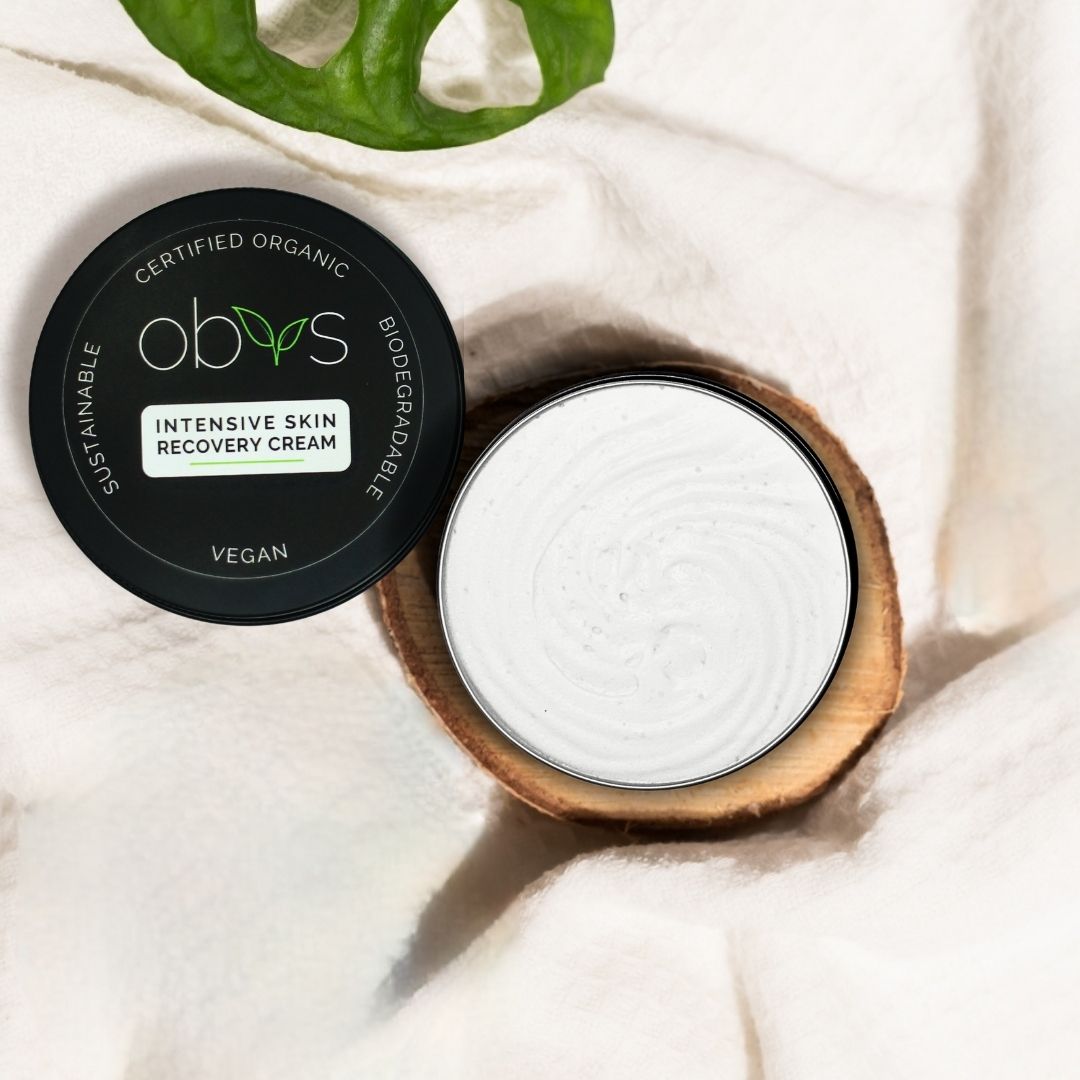
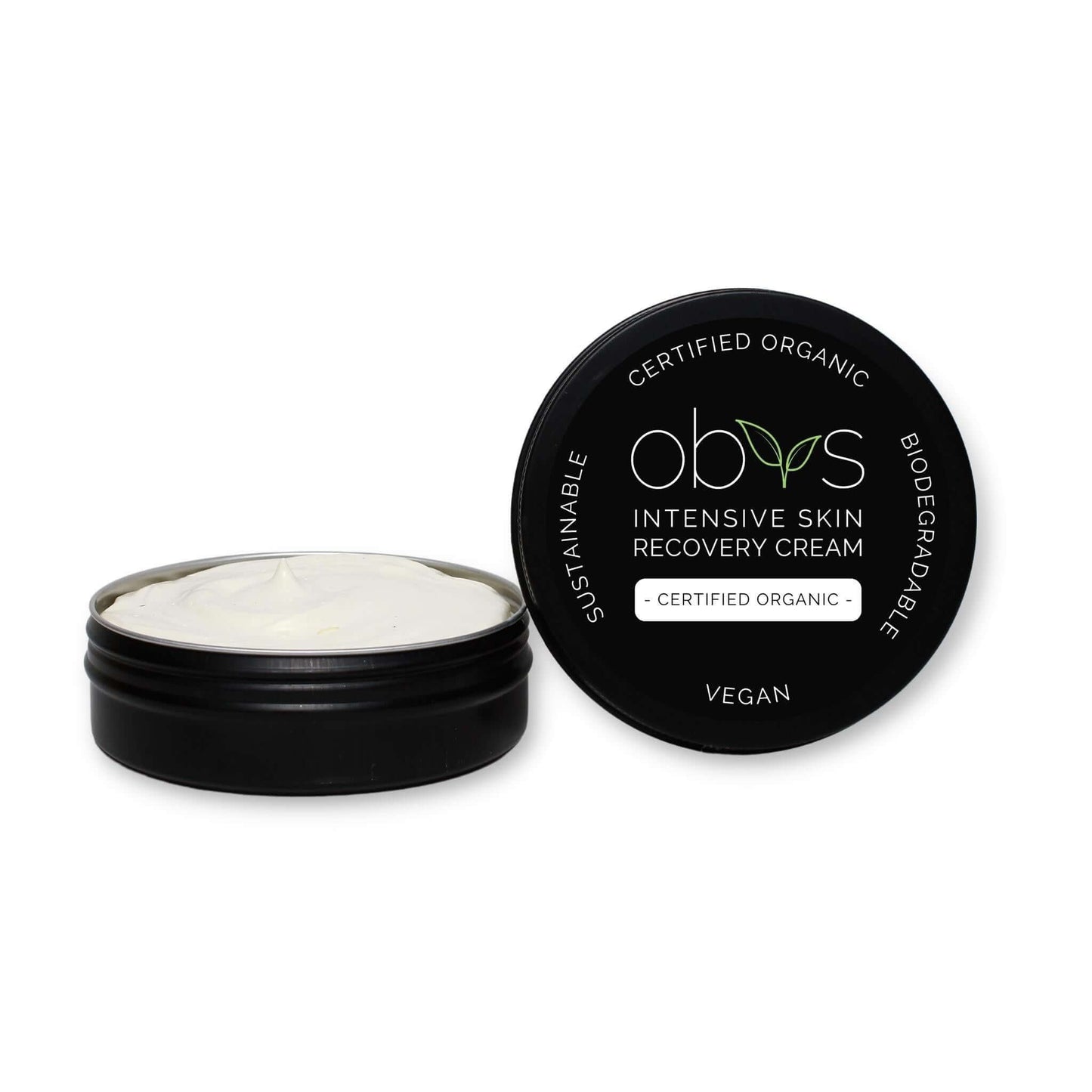
If you would like to explore skincare formulated without synthetic silicones, using carefully selected organic ingredients and with genuine consideration for the environment, you can shop Obvs Skincare here.
Sian x
Scientific References and Further Reading
1. Plastic Soup Foundation. Beat the Microbead. Guide to Microplastics and cosmetic ingredient classifications.
View the Beat the Microbead guide
2. European Commission (2023). Commission Regulation (EU) 2023/2055 concerning synthetic polymer microparticles.
3. Leslie, H. A. et al. (2022). Discovery and quantification of plastic particle pollution in human blood. Environment International, 163, 107199.
4. Ragusa, A. et al. (2021). Plasticenta: First evidence of microplastics in human placenta. Environment International, 146, 106274.
5. Nihart, A. J. et al. (2025). Bioaccumulation of microplastics in decedent human brains. Nature Medicine, 31, 1114–1119.
6. Marfella, R. et al. (2024). Microplastics and nanoplastics in atheromas and cardiovascular events. The New England Journal of Medicine, 390, 900–910.
7. Lamoree, M. H. et al. (2025). Health impacts of microplastic and nanoplastic exposure. Nature Medicine, 31, 2873–2887.
8. Health impacts of micro- and nanoplastics in humans: Systematic review of in vivo evidence (2026). PubMed, PMID: 41761215.
9. McLean, P. et al. (2026). Dermal exposure, review of current knowledge on the uptake of micro- and nano-plastics. Microplastics and Nanoplastics, 6, Article 12. First published December 2025.
10. Clewell, H., Greene, T. & Gentry, R. (2024). Dermal absorption of cyclic and linear siloxanes: A review. Journal of Toxicology and Environmental Health, Part B, 27(3), 106–129.
11. Cosmetic Ingredient Review (2022). Amended safety assessment of dimethicone, methicone and substituted-methicone polymers as used in cosmetics.
Read the full safety assessment
12. Cosmetic Ingredient Review (2003). Final report on the safety assessment of dimethicone, methicone and related polymers.
13. Environmental behavior and ecological effect of polydimethylsiloxane: A review (2012). PubMed, PMID: 23189715.
14. Soil Association. Health and Beauty Standards, including COSMOS organic cosmetic certification requirements.
Read the organic certification standards
15. Characterization of porous starch produced from arrowroot (Maranta arundinacea L.) by enzymatic hydrolysis with α-amylase and glucoamylase (2024). Carbohydrate Polymer Technologies and Applications, 7, 100445.