
The Truth About Calamine Lotion for Chicken Pox: What the Science Actually Says
When a child breaks out in chickenpox, many parents instinctively reach for calamine lotion.
It’s a familiar remedy that’s lived in medicine cabinets for generations. But modern dermatology paints a very different picture about how effective it actually is and whether it’s the best choice for soothing itchy, inflamed skin.
Let’s explore the science so you can make an informed choice for your child’s skincare.
What Is Calamine Actually Made Of?
Calamine is mainly a mix of:
- Zinc oxide
- Ferric oxide (the pink pigment)
Zinc oxide is the only ingredient with proven skincare benefits.
Ferric oxide is purely for colour with no soothing, healing, or anti-inflammatory properties whatsoever.
Ferric Oxide: Pretty but Pointless
Ferric oxide (Fe₂O₃) gives calamine its iconic pink colour but:
- Does not soothe irritation
- Does not reduce inflammation
- Does not help healing
What it does do is stain clothes and bedding.
In short: cosmetic, not therapeutic.
What Zinc Oxide Actually Does for Chickenpox Skin
Zinc oxide is well supported by dermatological research for:
- Anti-inflammatory action (reduces redness + itch)
- Skin barrier support
- Wound healing
- Antimicrobial protection (helps prevent secondary infections)
Studies in the Journal of Drugs in Dermatology (2013) and Archives of Dermatological Research confirm zinc oxide’s role in calming irritated skin and supporting recovery.
Why Calamine Lotion Is Actually Drying
The “cooling” sensation comes from evaporative cooling — the lotion dries quickly. Once dry, it leaves a chalky film that:
- Pulls moisture from the skin
- Causes tightness and discomfort
- Increases transepidermal water loss (TEWL)
Research in the Journal of Clinical and Aesthetic Dermatology (2018) shows that drying irritated skin increases itch signalling, which means more scratching and slower healing.
Chicken Pox: Why Drying Isn’t the Answer
Chickenpox lesions are inflamed and delicate. Modern paediatric dermatology recommends treatments that:
- Reduce itch
- Support the skin barrier
- Prevent infection
- Keep skin hydrated
A 2020 Journal of Dermatological Treatment review highlights that over-drying skin prolongs irritation and delays recovery, the opposite of what calamine does.
Bentonite Clay and Phenol in Calamine
Some formulas contain extra ingredients such as:
- Bentonite clay (E558): absorbs water and increases moisture loss, making skin feel tighter
- Phenol: an antiseptic/anaesthetic that can irritate sensitive or broken skin and carries safety concerns for children
So Why Do People Still Use Calamine?
Habit. Familiarity. And the reassurance of the pink colour.
But skincare science has moved on.
Why Zinc Oxide Is the Only Beneficial Ingredient
When you strip away dyes, drying agents, and potential irritants, zinc oxide is the only therapeutic component in calamine. It:
- Calms inflammation
- Supports skin repair
- Protects against microbes
- Forms a breathable barrier
However, zinc oxide works best in a hydrating formula, not a drying one.
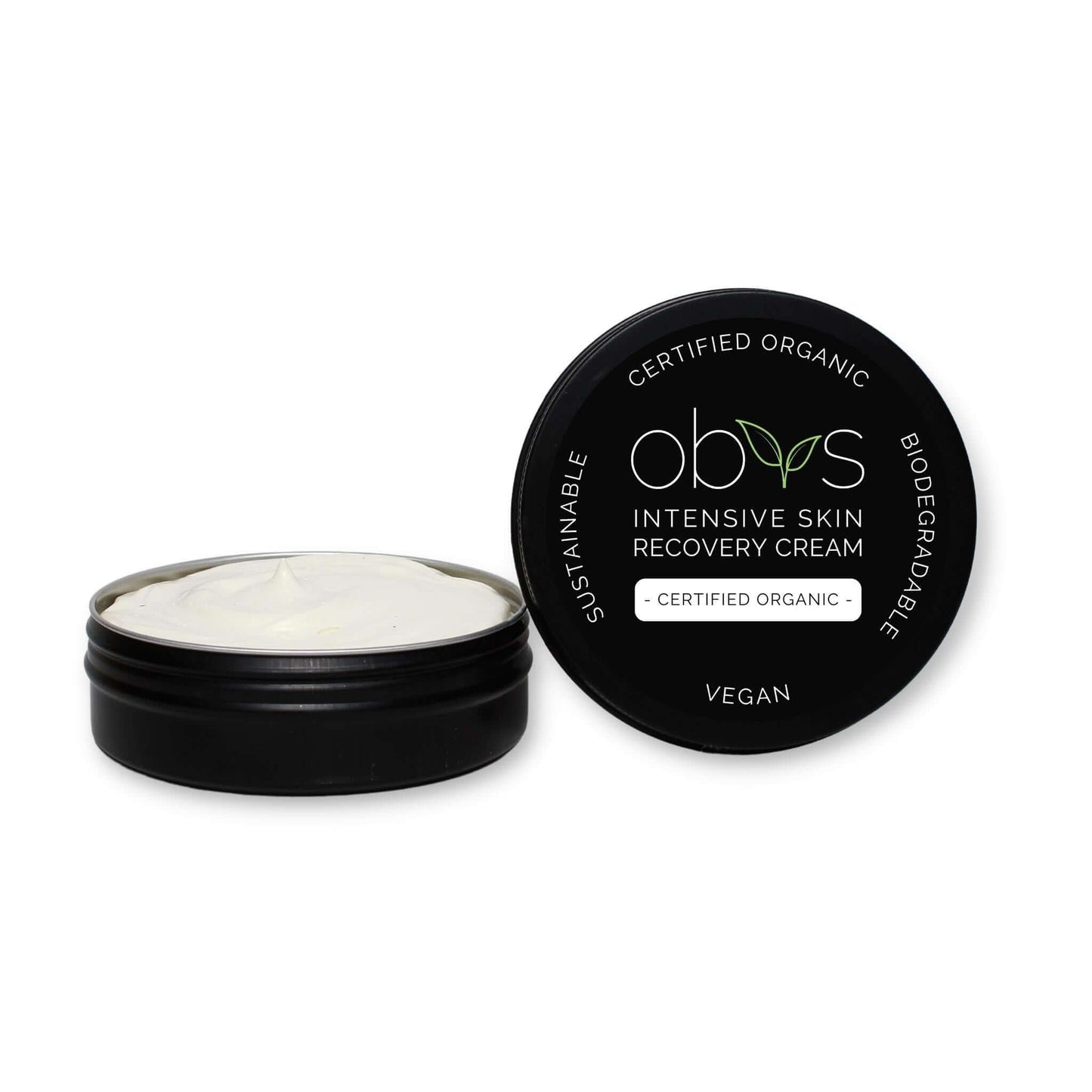
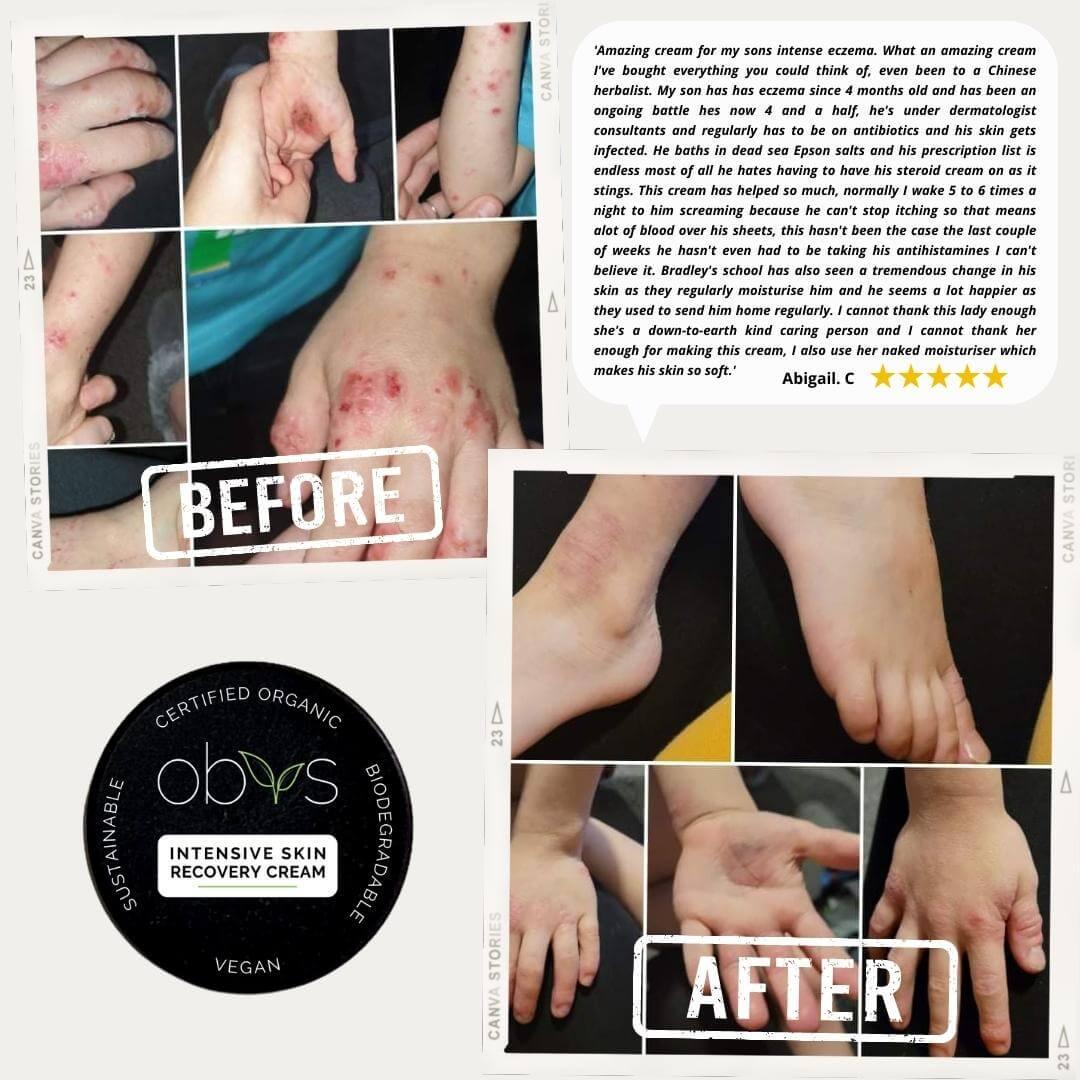
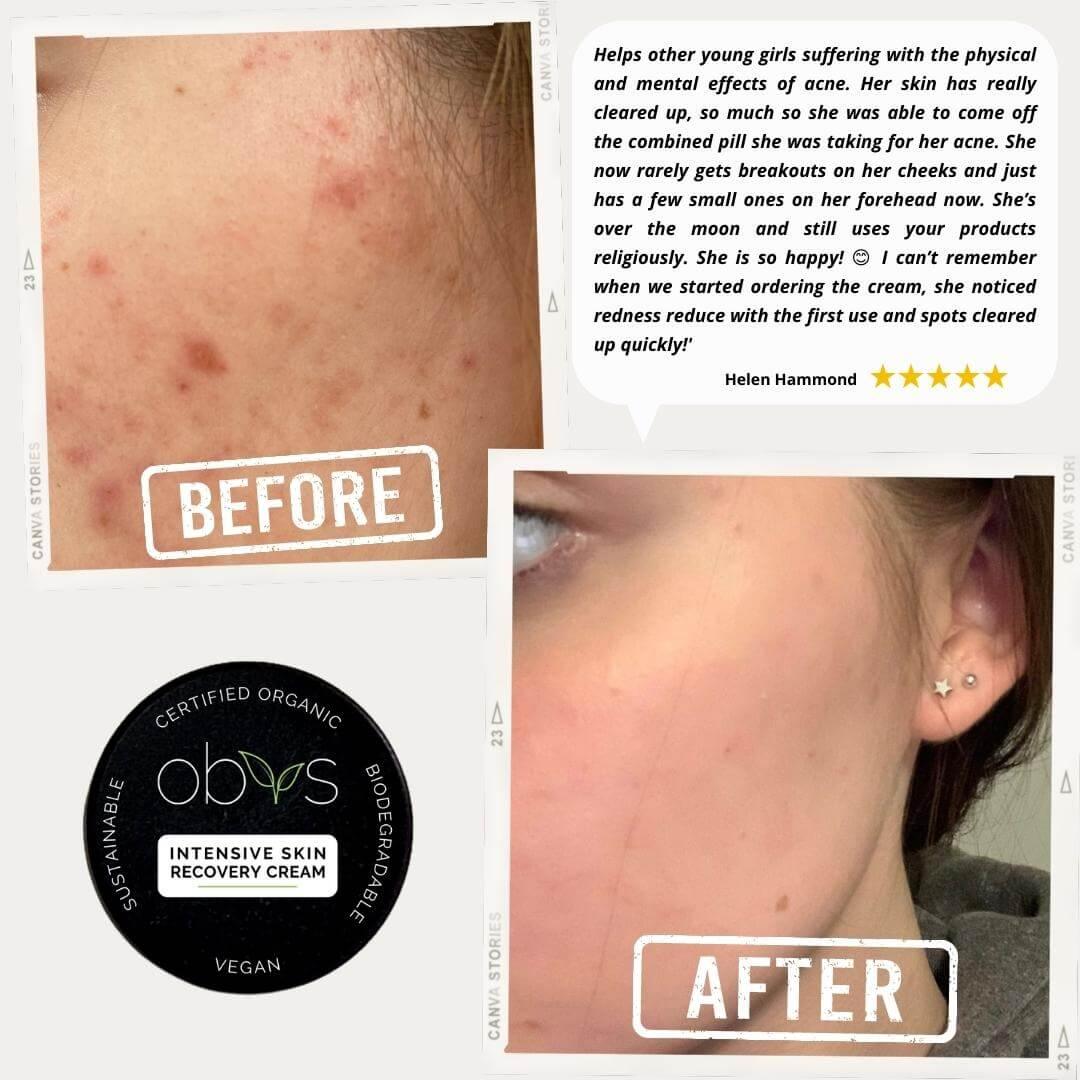
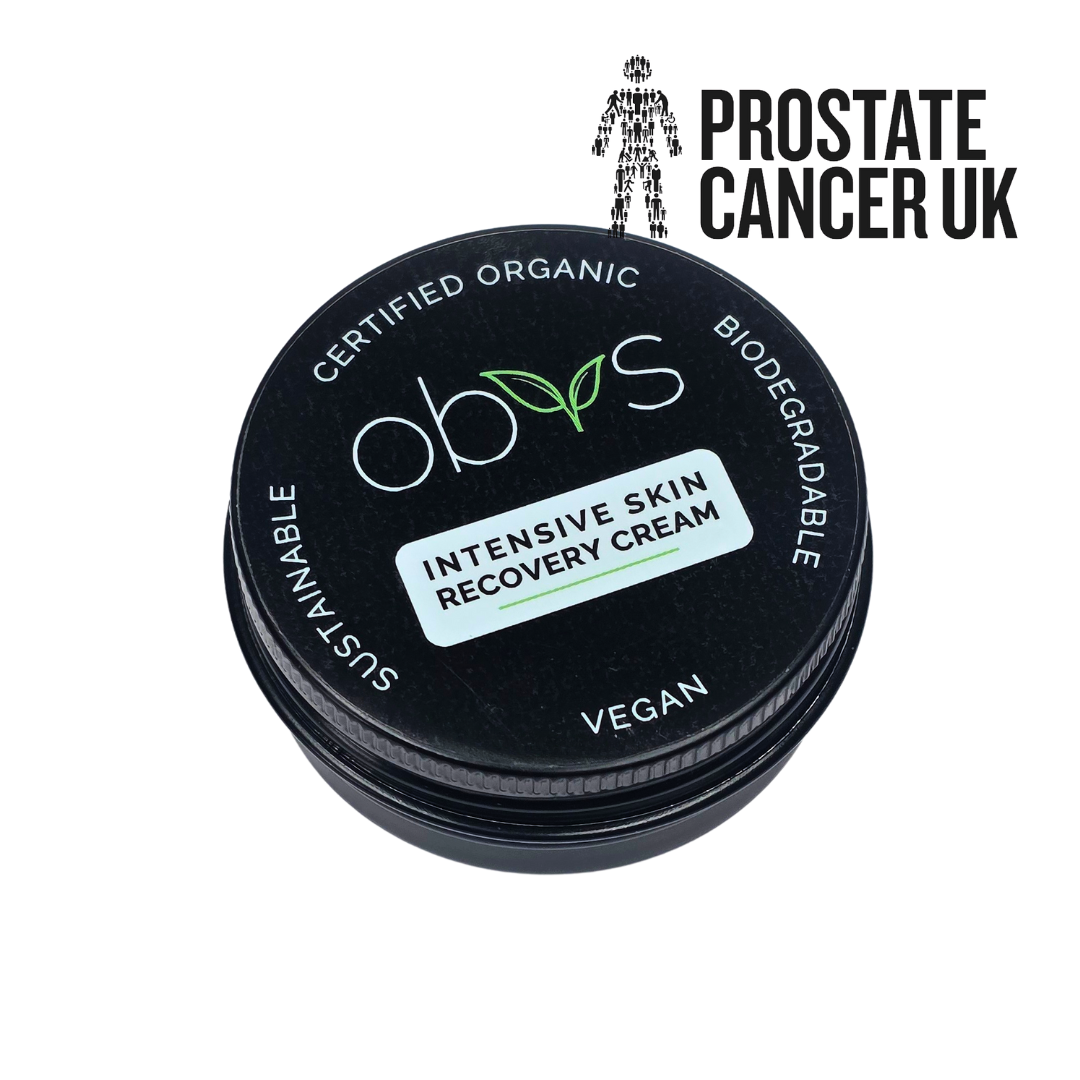
A Better Alternative: Intensive Skin Recovery Cream
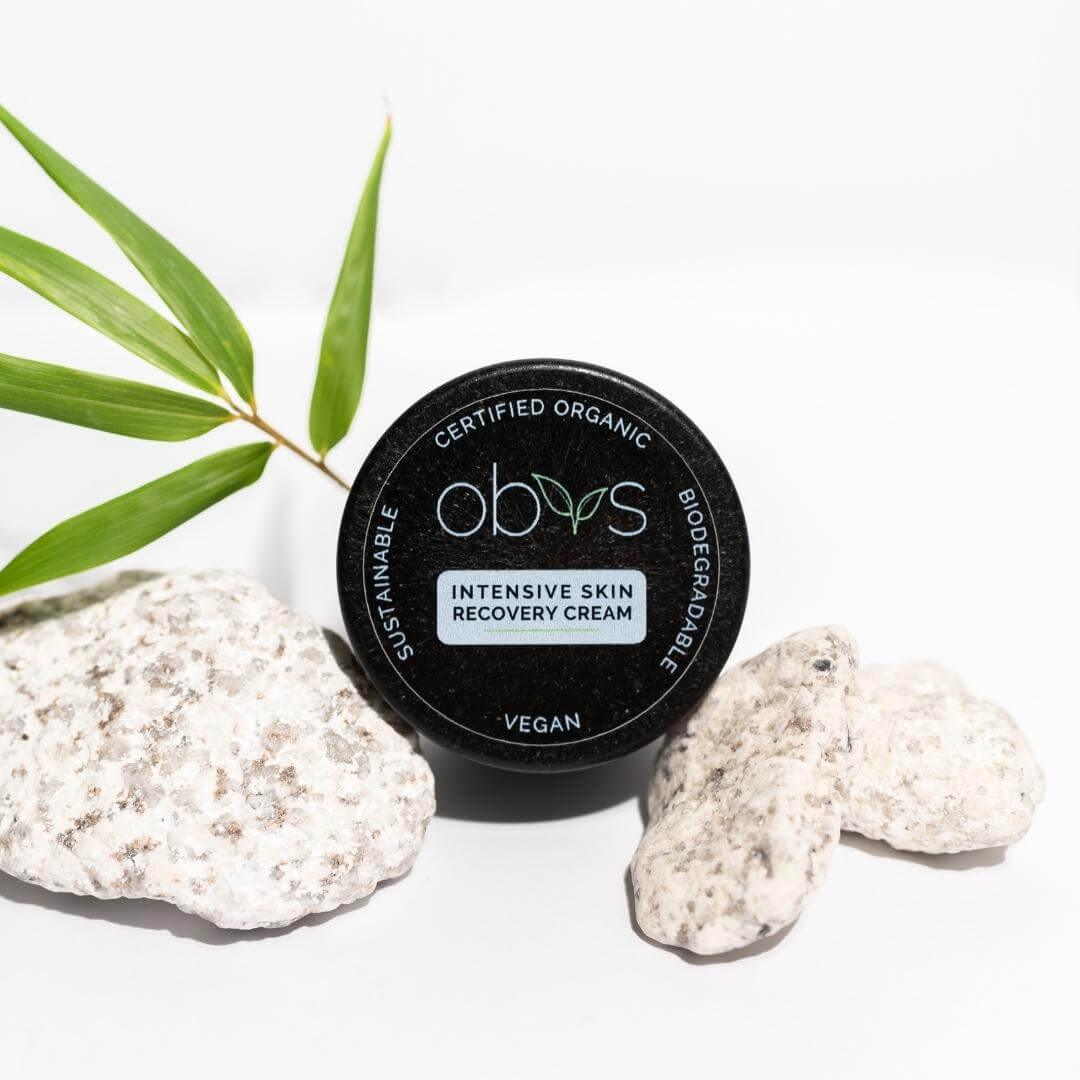
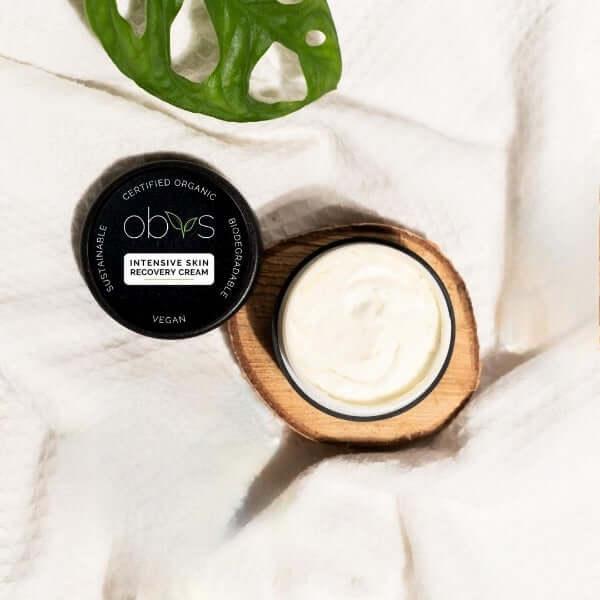
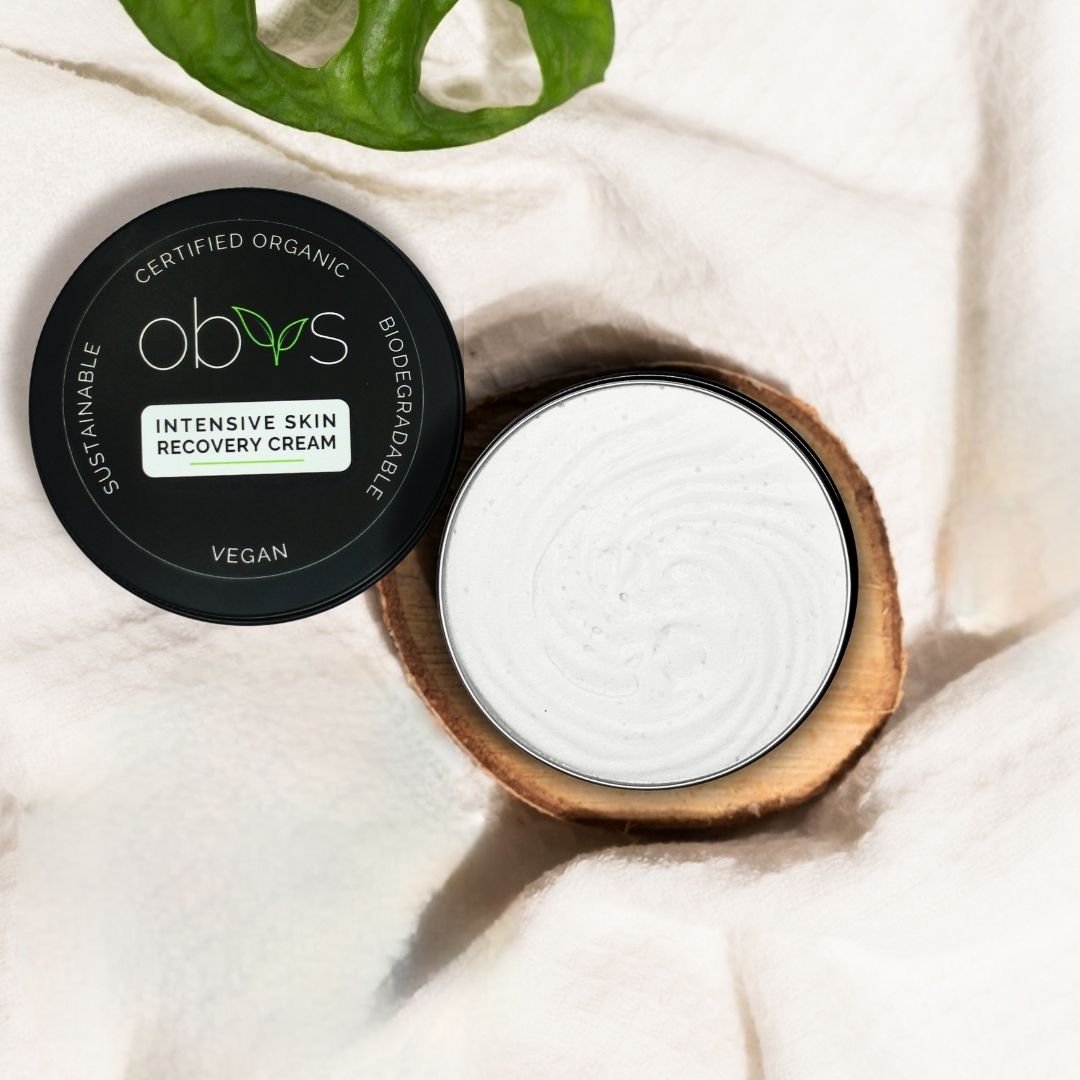
For parents looking for a gentle, natural, science-backed option for chickenpox skin, Intensive Skin Recovery Cream offers a far more effective approach than calamine.
This cream includes:
Butyrospermum Parkii (Shea Butter)*, Organic
- Certified organic, rich in natural moisturisers
- Sourced from a fairly traded cooperative
Carthamus Tinctorius (Safflower) Seed Oil*, Organic
- Cold-pressed and rich in Omega-6
- Lightweight and suitable for children
Zinc Oxide (Non-Nano)
- Anti-inflammatory
- Antimicrobial
Maranta Arundinacea (Arrowroot Powder)*, Organic
- Naturally soothing
- Helps improve texture and comfort
Triticum Vulgare Germ Oil (Wheat Germ Oil)
- Supports skin repair
Tocopherol (Vitamin E), Organic
- Antioxidant that supports healing and preserves freshness
Why This Combination Works So Well for Chickenpox
- Hydrates and restores the skin barrier
- Reduces inflammation and itch
- Offers natural antimicrobial protection
- Provides non-nano zinc oxide protection
- Uses organic, ethically sourced, child-friendly ingredients
- Supports faster healing and greater comfort
How to Use Intensive Skin Recovery Cream
Apply a thin, gentle layer over chickenpox-prone skin several times per day, especially after washing, to soothe irritation and support healing.

The Bottom Line
Calamine lotion had its moment decades ago. Today, we know its drying ingredients, pigments, and outdated formula don’t support healing.
The real benefit of calamine is that zinc oxide shines when paired with hydrating, barrier-supportive ingredients, not drying ones.
Intensive Skin Recovery Cream offers a modern, gentle, evidence-based alternative that helps children through chickenpox with less discomfort and better skin recovery.
References
- Journal of Drugs in Dermatology (2013) — Zinc oxide reduces irritation and supports recovery.
- Archives of Dermatological Research (2014) — Zinc oxide forms a breathable healing barrier.
- Journal of Clinical and Aesthetic Dermatology (2018) — Dry skin increases itch signalling.
- Journal of Dermatological Treatment (2020) — Over-drying inflamed skin prolongs healing.
- Skin Pharmacology and Physiology (2015) — Sunflower/Safflower oils restore the skin barrier.
- Phytotherapy Research (2016) — Natural plant extracts soothe inflammation.
- Toxicology and Applied Pharmacology (1999) — Phenol risks and irritation.